Capabilities
Engineering services for the people who actually build the network.
For prime contractors, broadband grant subrecipients, ISPs, and engineering firms — nationwide.
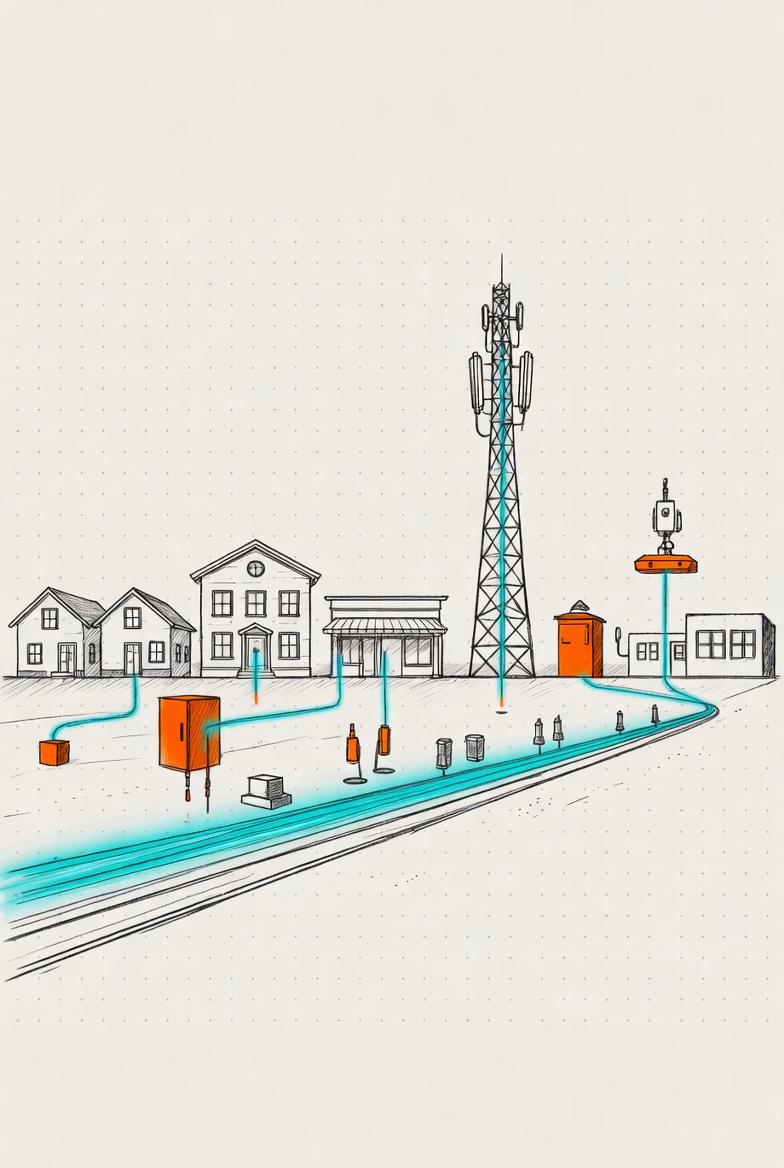
For prime contractors, broadband grant subrecipients, ISPs, and engineering firms — nationwide.
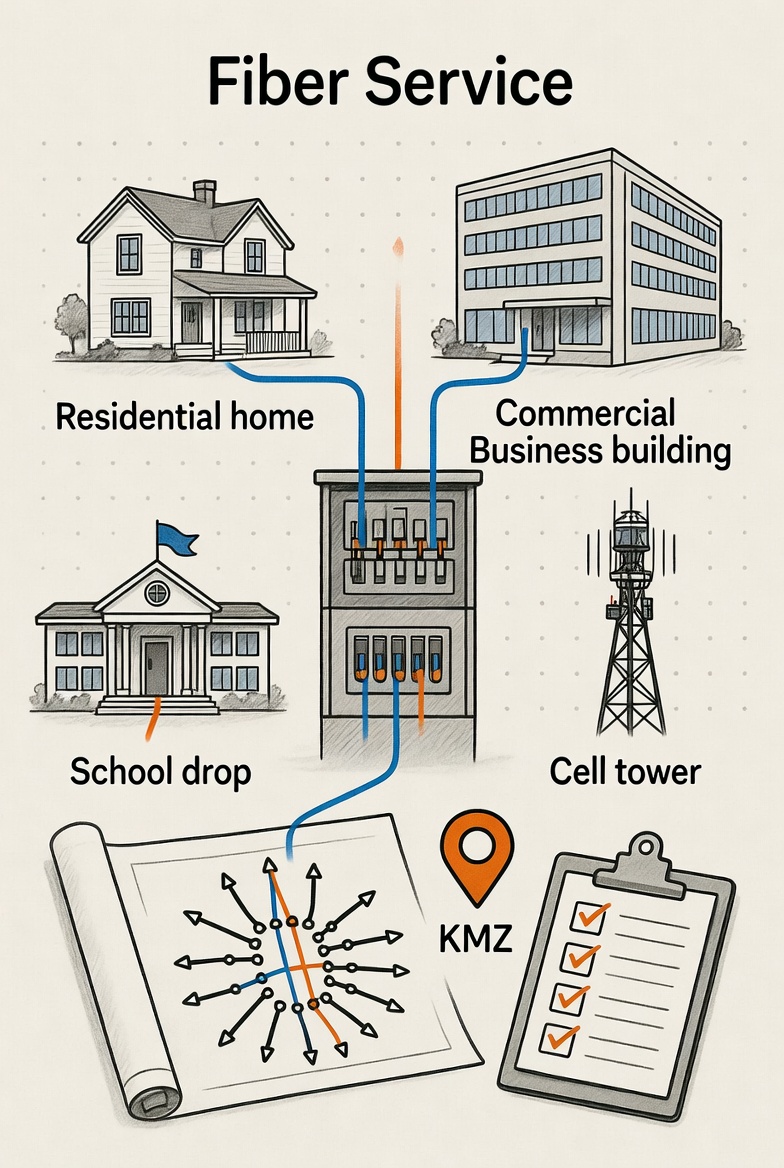
FTTH, FTTB, FTTS, FTTT — home, business, school, tower. Build-ready prints, splice plans, fiber-pair assignments, pole-data verification, and KMZ deliverables. Every design package is built to give your construction crew clear, executable instructions from the first drop to the final splice — so the field work matches the plan.
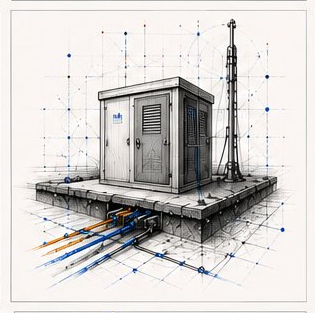
Fixed wireless access puts internet over the air — but before a signal leaves a tower, reliable fiber has to get there first. ODD engineers the ground infrastructure: the fiber route from your network hub to each tower location, designed and documented to carrier standards. The wireless hop from tower to subscriber is handled by your RF team. ODD delivers the fiber backbone that makes the whole system work.
Fiber backhaul design and integration for wireless carrier macro and small-cell sites — ring and daisy-chain architecture with fiber pairs cascading tower to tower. Each site gets a documented design that ties back into your network architecture cleanly and gives your ops team a clear picture of what runs where.

Outside Plant is the physical infrastructure that carries fiber from point to point — the poles, conduit, trenches, and pathways the signal travels before it reaches anyone. ODD handles the full route design process: desktop analysis, field verification, right-of-way coordination, and build-ready drawings your crews can execute on. Greenfield buildouts, overbuilds of existing routes, aerial on established pole plant, buried, underground conduit, and MDU drop design — all covered, aerial, buried, and underground.
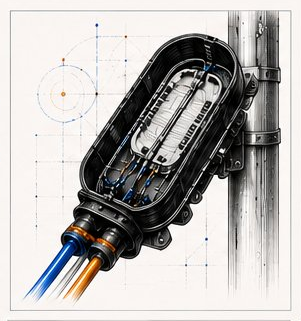
Fiber-pair management, splice-case enclosure design, splice matrix and assignment documentation. A clean splice plan means your field crews know exactly which fiber goes where before they ever open a case — and your ops team has a record they can trust when something needs to be tracked down later.

KMZ, KML, and shapefile turnover packages aligned to client GIS standards. Your network exists in the real world — the GIS record needs to reflect that accurately so your operations and planning teams can work from it with confidence long after the build is complete.
Construction records, redlines, final as-built drawing sets, and operations-handover packages. The goal is a turnover package your team can actually navigate — one that captures what was built, not just what was designed, so there are no gaps when operations take over.

A fiber build is a moving target — construction schedules shift, contractors need direction, and change orders show up whether you planned for them or not. ODD keeps the engineering aligned with what's actually happening in the field: tracking work-in-progress against program milestones, coordinating with construction vendors, and managing design changes before they turn into delays. WIP reporting, vendor QA, cost-model alignment, and change-order management — the goal is a closeout package that matches what was built, not what was designed six months ago.